

What do we mean by aftercare?
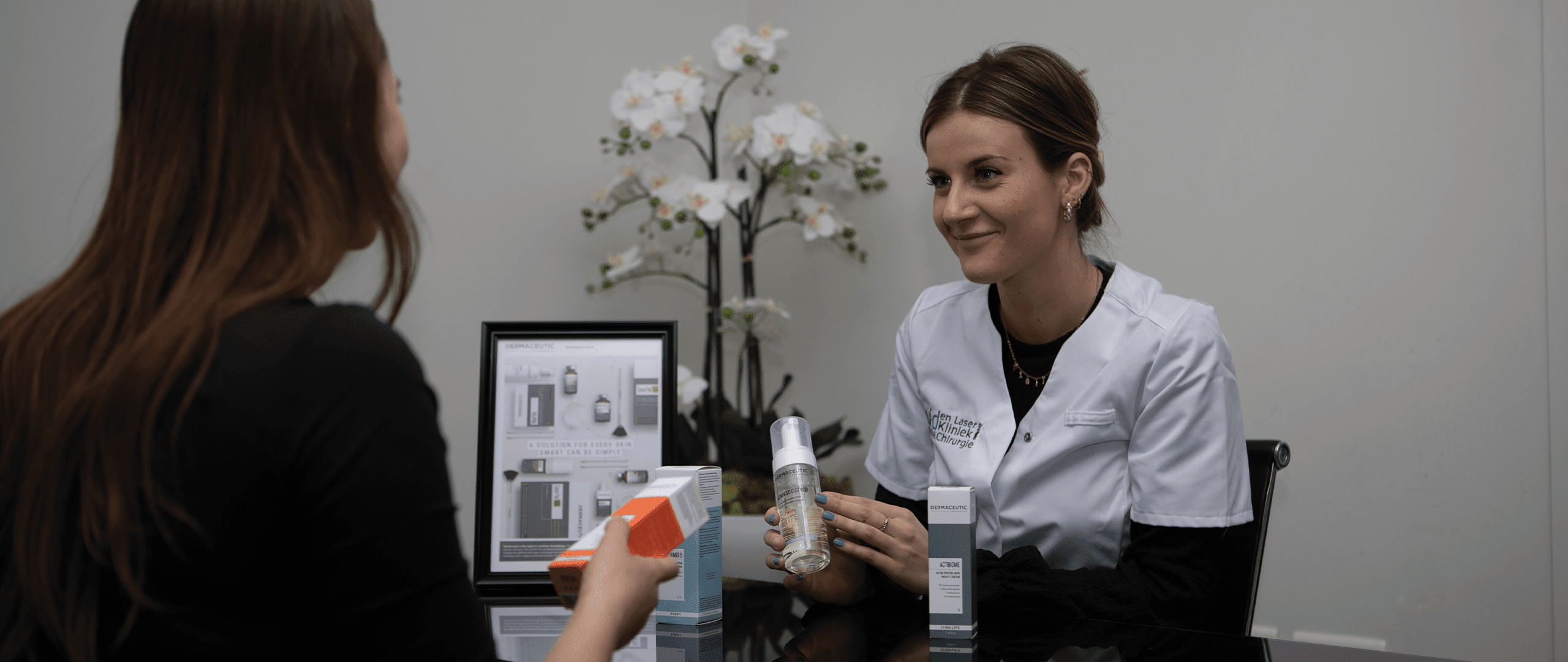
The skin therapist plays an active role in the aftercare and counselling of women and men with (breast) cancer. The consequences of (breast) cancer are physically and emotionally drastic. After the medically necessary interventions, various skin problems often remain, such as the side effects of chemotherapy and radiotherapy, fluid accumulation due to a damaged lymphatic system, scar tissue and the absence of a breast or nipple. The skin therapist offers a wide range of treatments that help reduce pain and physical discomfort and eliminate the visible consequences of surgery as much as possible. In addition, the skin therapist pays attention to the psychological and social aspects of the healing and coping process; with treatments, advice, encouraging and supporting self-management and a listening ear, the skin therapist offers an active role in restoring self-confidence and accepting the physical changes.
What are the indications?
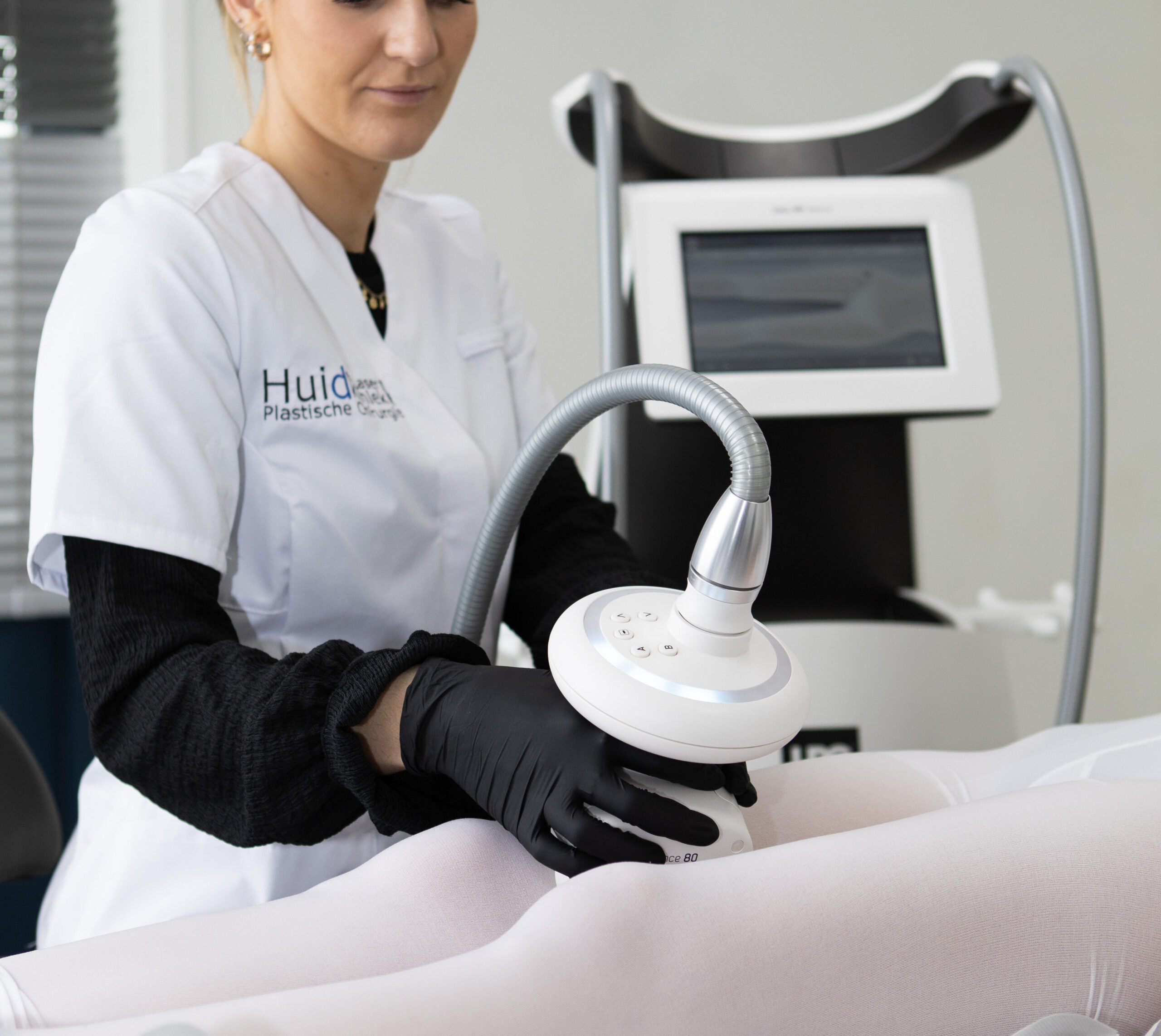
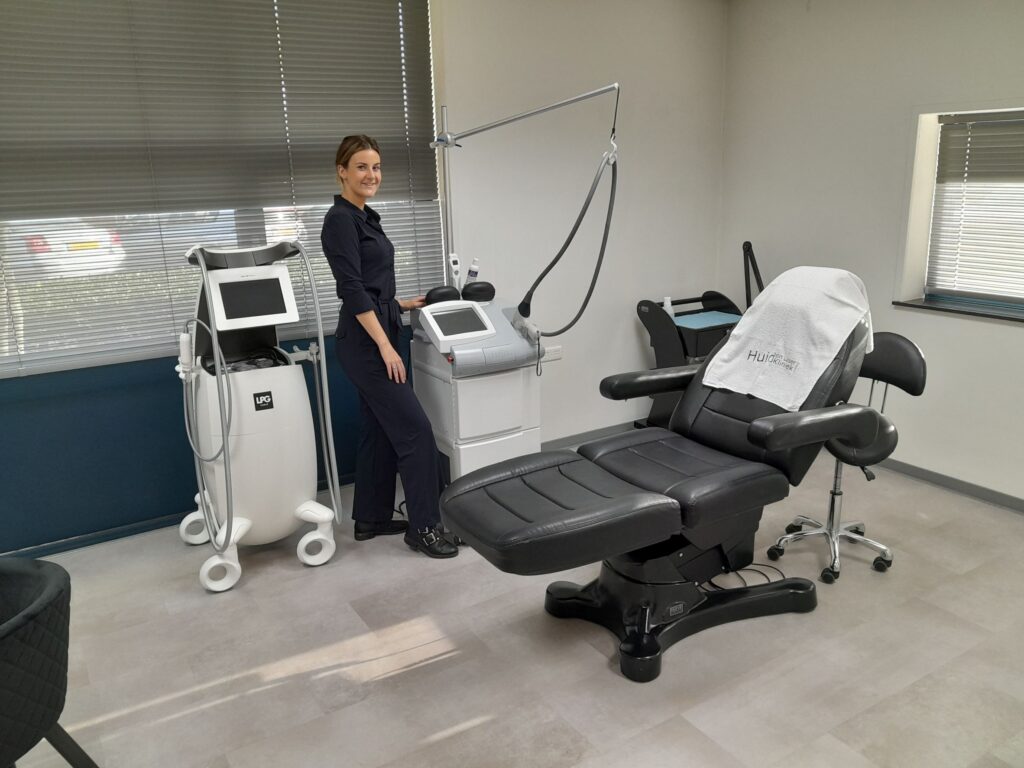
Breast cancer surgery often leads to fluid build-up in the treated area. A skin therapist can use oedema therapy to reduce pain and stiffness caused by this fluid build-up. Where there is a painful and/or tight scar, scar therapy can help to reduce and soften the scar tissue, even in the case of an old scar. Both oedema and scar tissue are treated using the LPG Endermologie technique. This technique is many times more effective than manual oedema and scar therapy alone. Compression aids, such as a compression bra or fibrosis pads, are also frequently used.
Indications:
- Adhesive, painful or (cosmetically) unsightly scars
- Fluid retention (oedema)
- Preparation for breast reconstruction, for example using lipofilling. By treating the traumatised skin with LPG® prior to, and between, sessions of lipofilling reconstruction, the volume of fat that can be injected during breast reconstruction may be increased.
- Painful skin following radiotherapy
What does the treatment plan involve?
- First, there will be a no-obligation, free consultation. During this consultation, we will take your medical history, after which we will discuss your personalised treatment plan with you. You do not need a referral.
- During the first course of treatment, you will receive treatment once or twice a week using LPG-Enermologie, or once a month using microneedling. This depends on your condition. These treatments are often covered by your health insurer. This course of treatment lasts, on average, between 1 and 3 months.
- During the second phase, treatments (if necessary) are gradually reduced to a maintenance phase in which you will visit us, on average, no more than once a month for a treatment. This will, of course, be tailored to your personal needs. During this phase, clients often use compression therapy and self-massage techniques at home.
How are things going with the insurance?
Reimbursement
Oncological oedema and scar therapy are both chronic conditions.
Supplementary insurance
To this end, the first 20 treatments – which you are entitled to once in your lifetime – will initially be covered by your supplementary insurance. The treatments fall under the physiotherapy allowance. The number of treatments covered depends on your specific policy.
For example: does your supplementary insurance cover 12 physiotherapy sessions? If so, you will have to pay for the remaining 8 sessions yourself. Each session usually costs around 48 euros. This depends on your health insurer.
Excess
From the 21st treatment onwards, treatments are covered without limit under the basic insurance policy. You will only have to pay your excess.
Have you already reached your excess for that year? If so, you won’t have to pay anything more.
What treatment options are available?
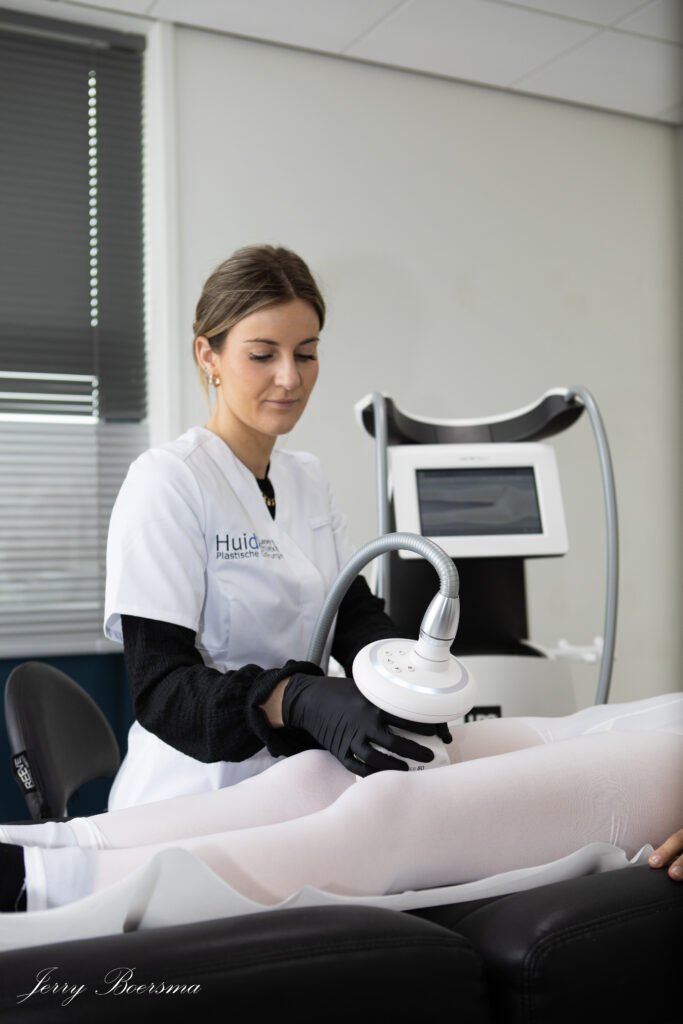
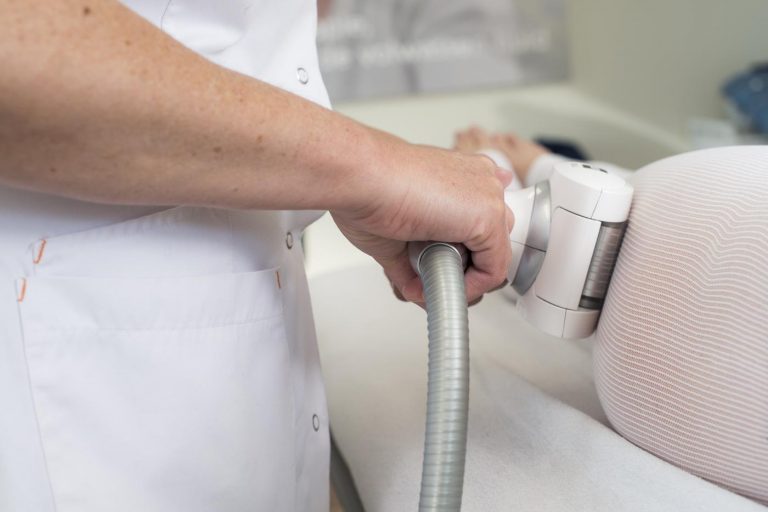
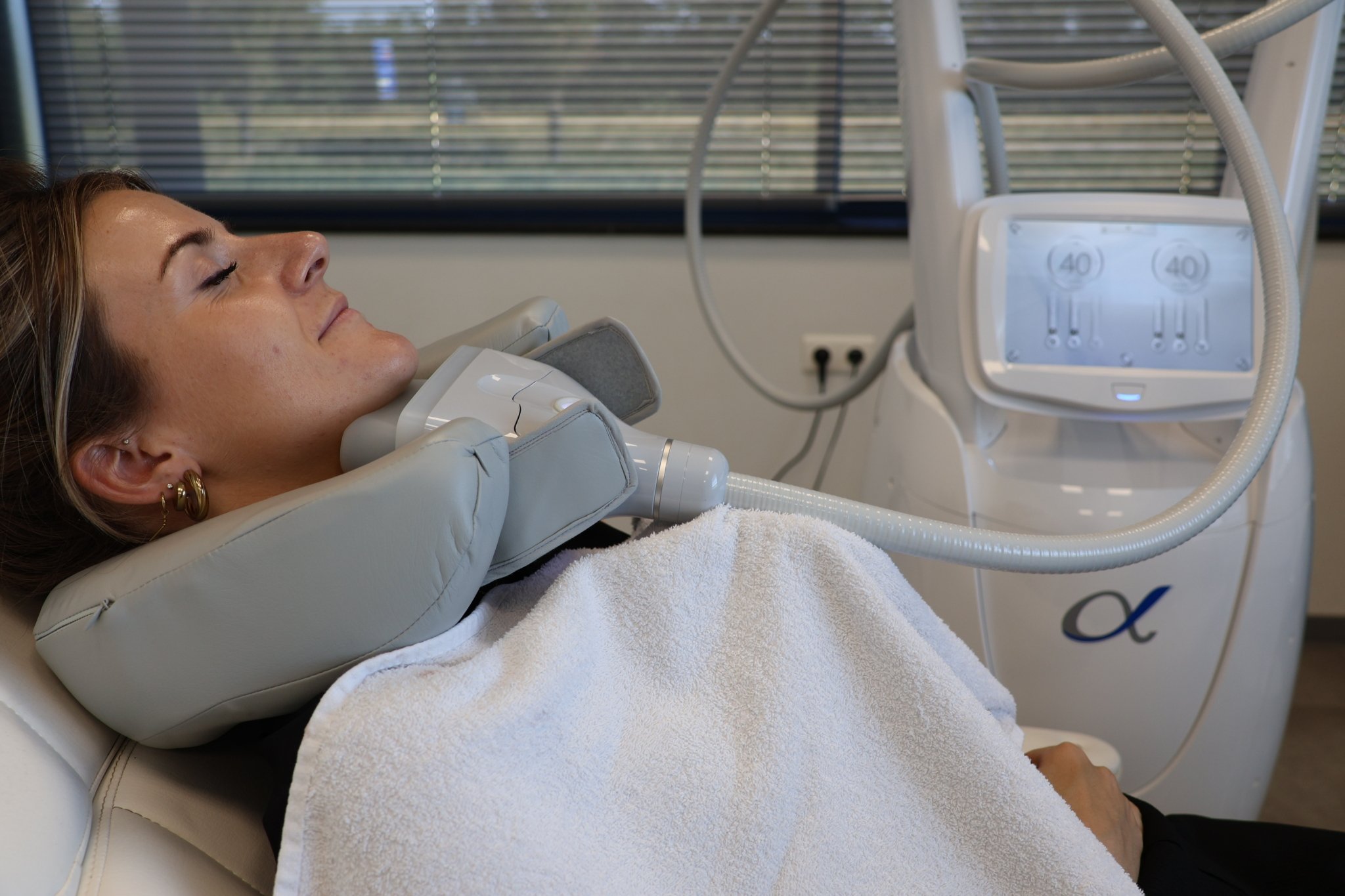
LPG Endermology for oedema and scars
HOW DOES MEDICAL ENDERMOLOGY® WORK?
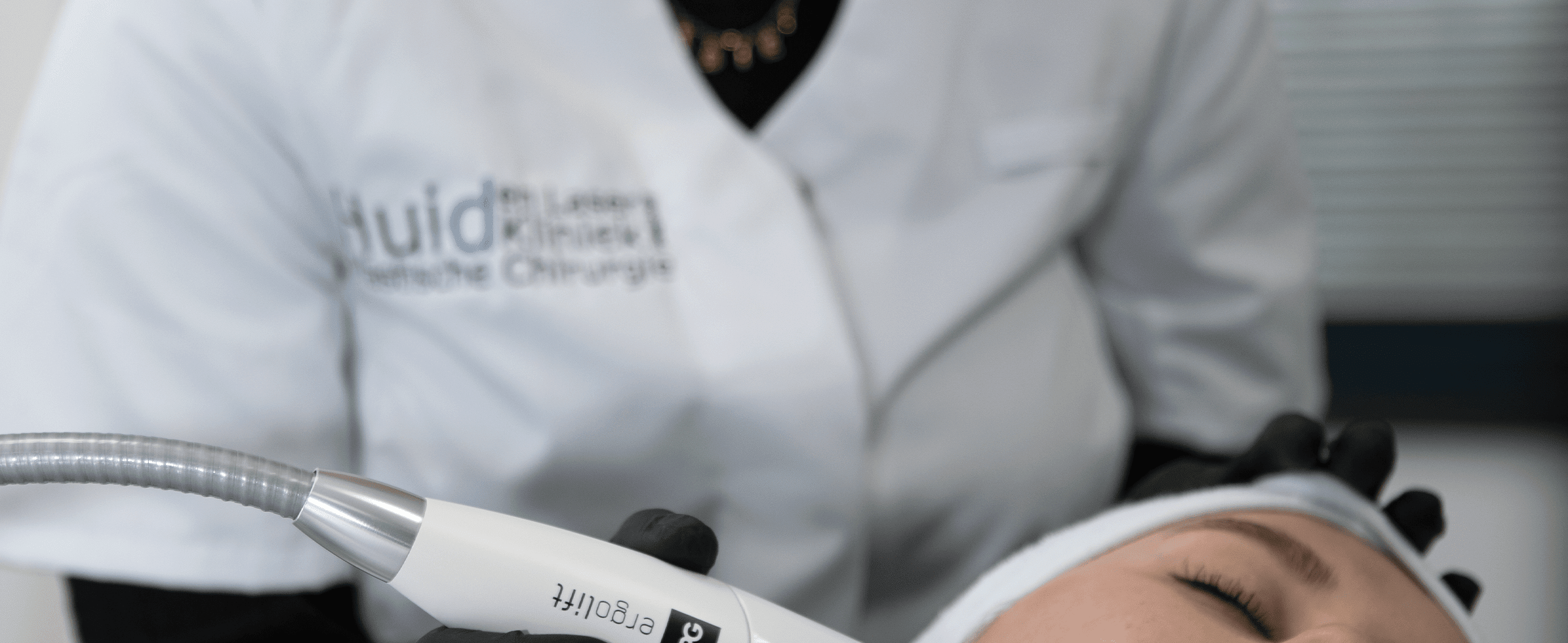
Endermologie® is a mechanical connective tissue technique. By using this equipment, the skin therapist stimulates the deeper layers of the skin. This treatment is beneficial both before and after surgery: beforehand, it improves circulation and the drainage of fluid, helping you to recover more quickly afterwards. Blood flow to the connective tissue improves and it becomes more supple, which has a positive effect on fluid retention and pain following surgery. It also helps your body drain fluid more effectively, reducing the likelihood of swelling and bruising after the operation.
Afterwards, you will continue with the treatments to keep draining fluid, reduce the risk of inflammation and minimise adhesions. Furthermore, the treatment stimulates microcirculation, activates the production of collagen and elastin to facilitate the scar-healing process, minimises painful symptoms and improves flexibility. The better and faster the recovery process, the smoother and more supple the scar and your skin will ultimately be.
RESEARCH INTO BREAST CANCER TREATMENT AND ENDERMOLOGY®
Radiotherapy also affects the skin. It thins the skin, impairs circulation and hinders healing. Poor skin and connective tissue quality can make surgery more difficult and increase the risk of complications.
A study* has been carried out on women who underwent both radiotherapy and surgery involving reconstruction with an implant. Half of this group were treated with Endermologie® both before and after the operation. It turned out that this group did not require tissue expansion prior to the insertion of the implant. It was also possible to insert a larger volume, and there were fewer complications following the operation.
Microneedling for scars
HOW DOES MEDICAL MICRONEEDLING WORK?
The Dermapen 4™ is the only microneedling pen with a dedicated setting for scar treatment (Scar) and specialised protocols for treating very deep scars, including those caused by surgery, burn contractures, stretch marks and acne scars.
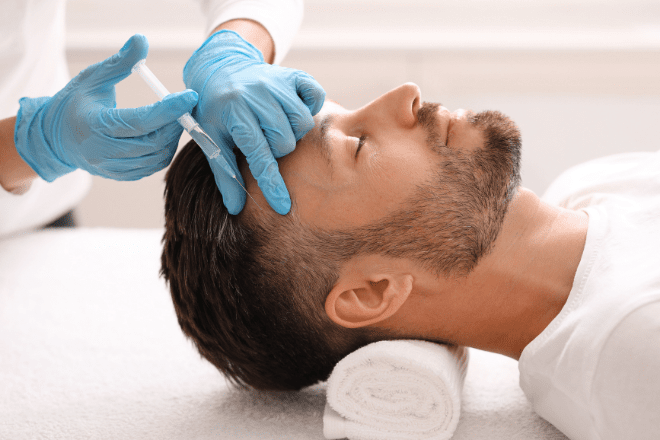
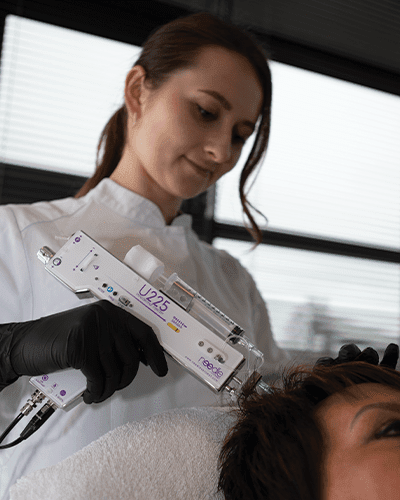
During the treatment, the Dermapen 4 uses very fine needles to create thousands of micro-channels in the skin. These micro-injuries are small enough to allow the top layer of skin to heal without significant damage, but large enough to trigger the skin’s natural healing process.
These microchannels activate fibroblasts (cells that produce collagen and elastin).
- Collagen helps to replace old, damaged tissue with new, healthier skin structure
- Elastin provides elasticity and suppleness
In the case of scars, the collagen is often disorganised and present in either excessive or insufficient amounts. Microneedling helps to reorganise this structure and stimulates the skin to form new, better-organised collagen fibres. As a result, the scar blends in more with the surrounding skin and its appearance becomes softer.
Effects:
- The redness around the scar is subsiding
- Deep-set or raised scars become smoother
- Tight or painful scars become more supple. These effects can also improve the skin’s flexibility (for example, in the case of tight scars).